When the First Working Version Becomes Untouchable
Prototypes are built to answer questions.
They are meant to explore:
- feasibility
- constraints
- unknowns
- interactions
They are not meant to define long-term structure.
Prototype lock-in occurs when this distinction quietly disappears.

The Pattern
A prototype is created to test an idea.
It is:
- fast
- incomplete
- exploratory
- shaped by uncertainty
Its purpose is simple: does this work at all?
Then it works.
At that moment, something subtle happens.
The prototype:
- is demonstrated
- is extended
- becomes depended on
- gains users
- accumulates features
Without an explicit decision, the prototype becomes the system.
The code still runs.
The architecture does not improve.uddenly doesn’t.
Where This Appears
Prototype lock-in is not limited to software.
It appears in:
- research systems that outlive their initial experiments
- internal tools that quietly become infrastructure
- startups evolving past product–market fit
- XR and robotics systems moving from demo to deployment
- data pipelines built under early uncertainty
Any domain where learning precedes structure is susceptible.
Why Teams Fall Into It
Prototype lock-in is rarely a conscious choice.
It happens because:
- Success creates inertia
Once something works, replacing it feels risky. - Time pressure discourages re-thinking
Rebuilding looks like lost progress. - Incremental improvement feels safer than re-design
Small refactors appear sufficient. - The cost of throwing things away is emotionally visible
The cost of keeping them is deferred.
At no point does anyone say:
“This prototype is now our architecture.”
It simply becomes true.
What Breaks First
The early signs are subtle:
- Structure reflects exploration, not intent
- Modules mirror the order of discovery
- Assumptions remain implicit
- Changes require growing caution
- New contributors struggle to understand boundaries
Velocity decreases, even though functionality increases.
Eventually, the system reaches a point where:
Every change feels larger than it should.
Why Refactoring Is Not Enough
Teams often believe they can fix prototype lock-in gradually.
In practice, this rarely works.
Because:
- architectural decisions are distributed across the system
- early shortcuts are no longer isolated
- behavior depends on undocumented assumptions
Refactoring improves code quality, but not structural intent.
The system remains shaped by the questions it once tried to answer —
not the role it now plays.
An Illustrative Example
The following example is intentionally generic.
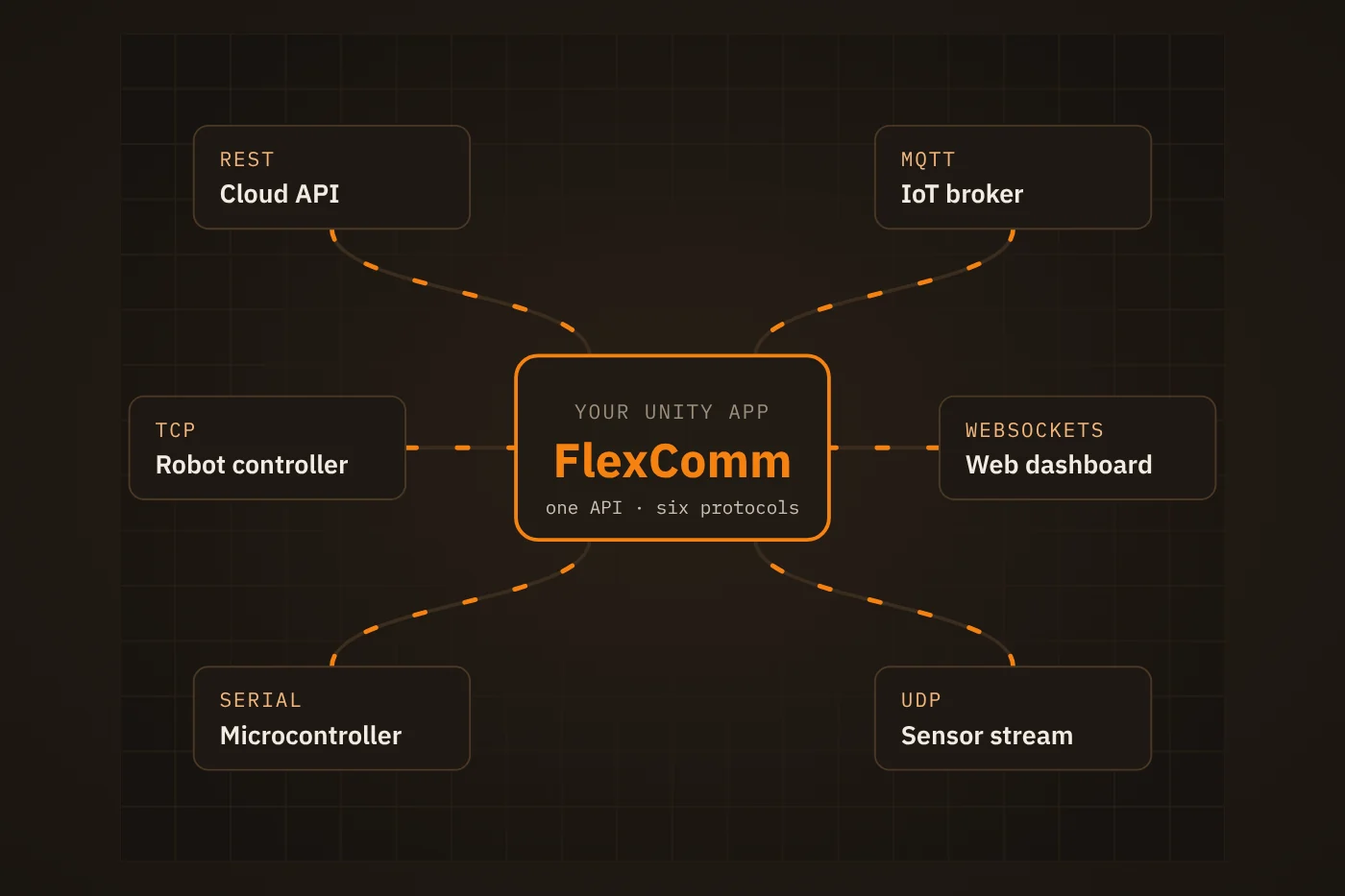
A prototype is built to connect a small set of components.
It answers its original question quickly and successfully.
Over time, additional functionality is layered onto it:
- configuration
- logging
- monitoring
- additional integrations
Each addition is reasonable.
What is never revisited is the question:
“Given what we now know, is this the structure we would design today?”
Eventually, the prototype contains the knowledge gained from experimentation —
but is still constrained by the shape of uncertainty.licit model around it.
The Underlying Mistake
The mistake is not technical.
It is temporal.
The system confuses two distinct phases:
- Exploration — where uncertainty is high
- Design — where uncertainty has collapsed
When structure is fixed during exploration, uncertainty hardens into architecture.
The Design Principle That Avoids This
The solution is not constant rewriting.
It is intentional rebuilding at the right moment.
Architecture should be designed after key uncertainties are resolved, not before.
A deliberate rebuild:
- separates learned knowledge from accidental structure
- allows decisions to be made consciously
- often increases development speed rather than reducing it
Rebuilding is not wasteful when it replaces uncertainty with intent.
Why This Matters Early
The opportunity to rebuild is time-sensitive.
Early on:
- systems are small
- assumptions are visible
- dependencies are limited
Later:
- behavior is entrenched
- risk increases
- rebuilding feels prohibitive
Prototype lock-in is dangerous because it delays this decision until it no longer feels possible.
Closing Observation
Teams often believe their system is unique.
In practice, this failure pattern appears with remarkable consistency.
If data streams are added one by one without an explicit model, the outcome is not uncertainty —
it is a predictable trajectory.
And predictable trajectories can be designed against.
About this series
This article is part of Failure Patterns in Evolving Systems — a collection of observed patterns that emerge when systems grow under real-world constraints.